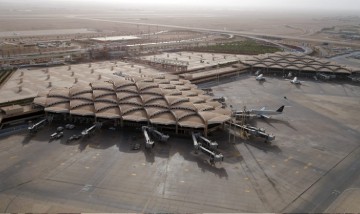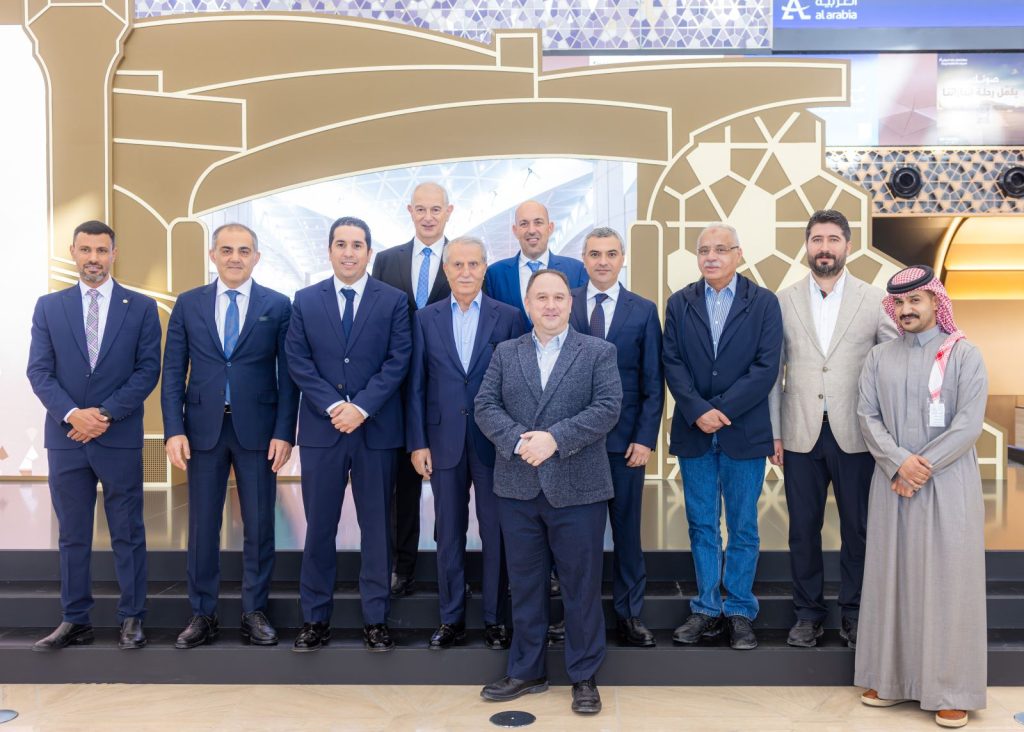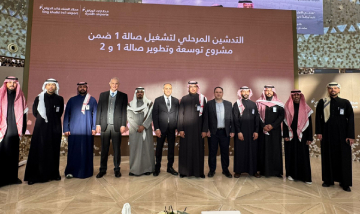




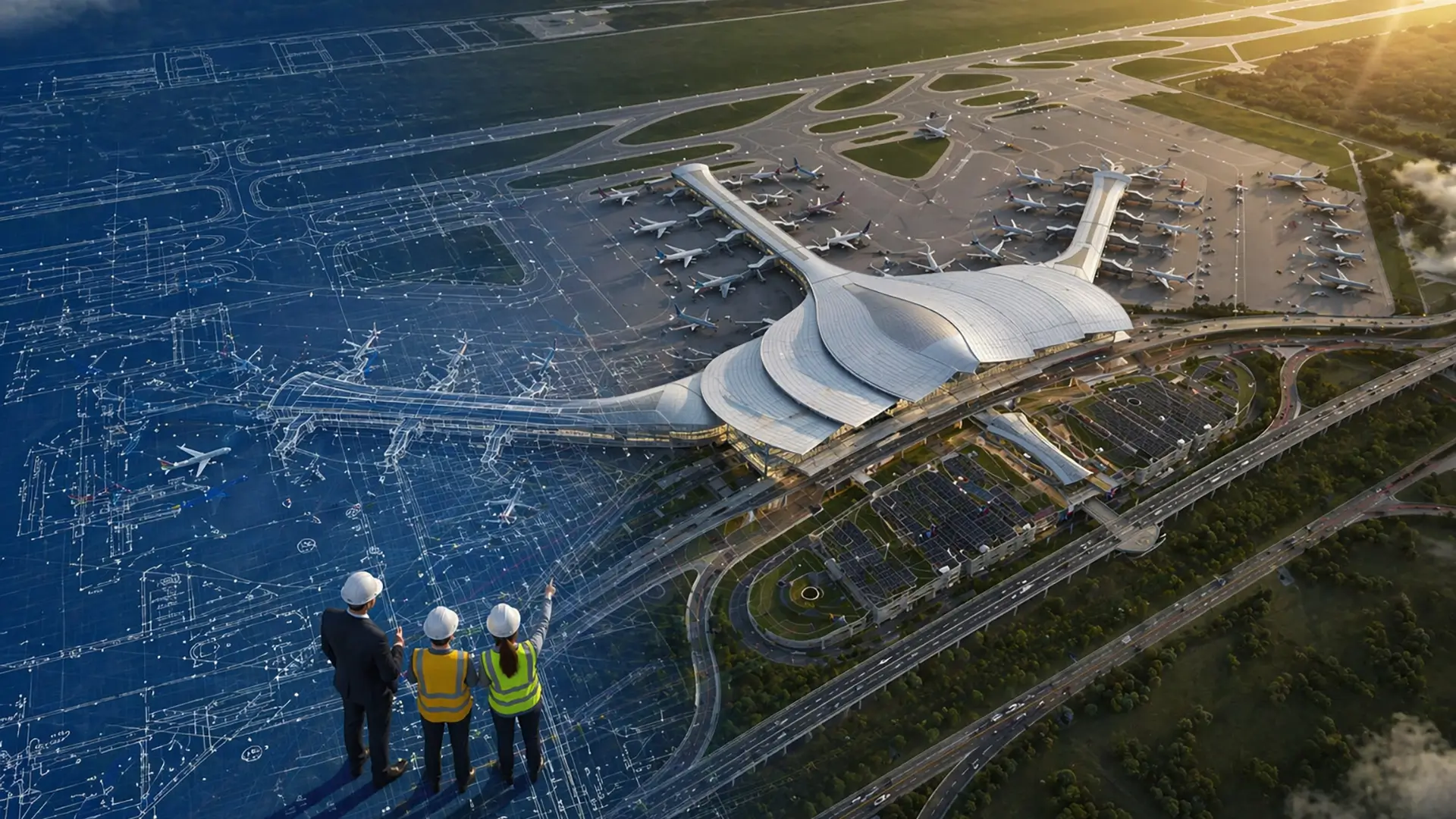










IC İçtaş, which has delivered two renovated terminals at Riyadh International Airport and brought the other two to the completion stage, has announced its strategy to expand its presence in the trillion-dollar Saudi market.
IC İçtaş, which aims to secure at least one of the six new terminal construction contracts to be awarded in Riyadh, also intends to bid on terminal operation contracts.
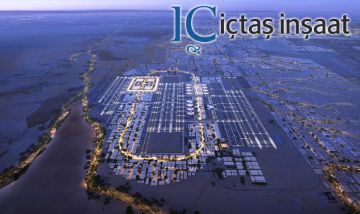
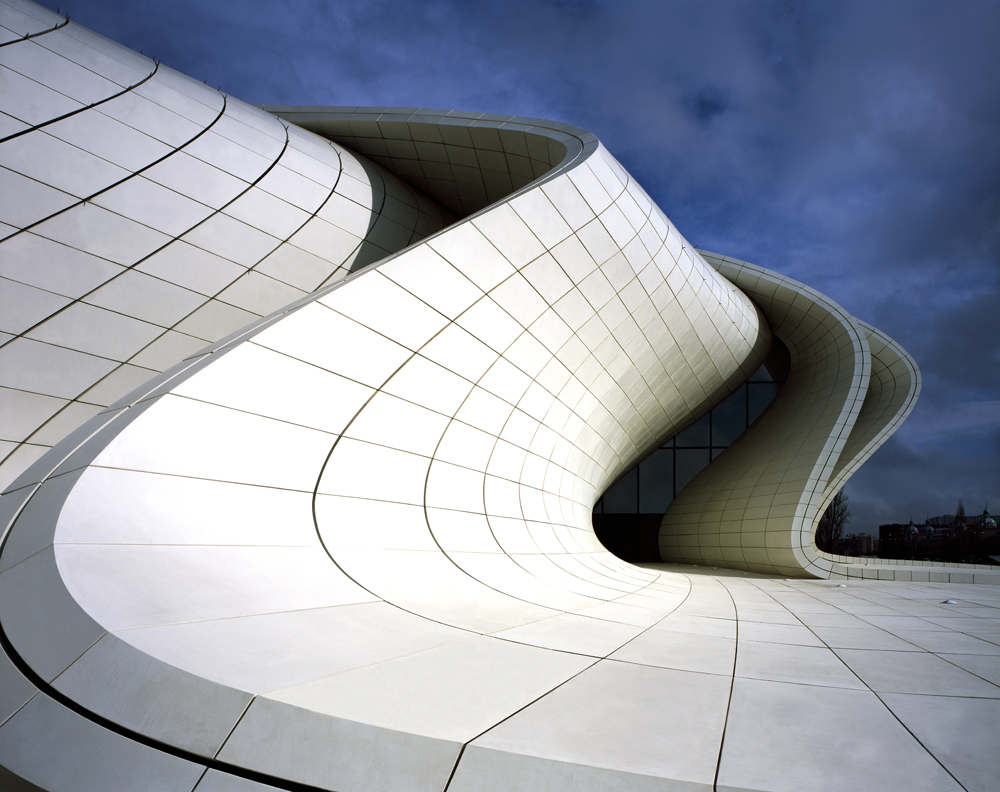
IC İçtaş is shifting into high gear in the Saudi Arabian market. Following the renovation of Terminals 3 and 4 at Riyadh King Khalid Airport, the company—which is now set to deliver Terminals 1 and 2—has set its sights on the new terminals to be built from scratch at Riyadh King Salman Airport. Seeking to secure at least one of the six new terminal tenders, IC İçtaş has completed the renovation of the first four terminals at a total cost of $1.4 billion. The construction cost for a single new terminal is estimated to be at least $2 billion.
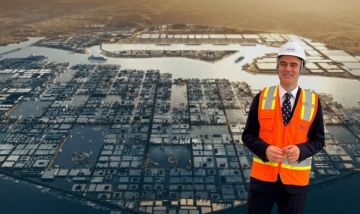
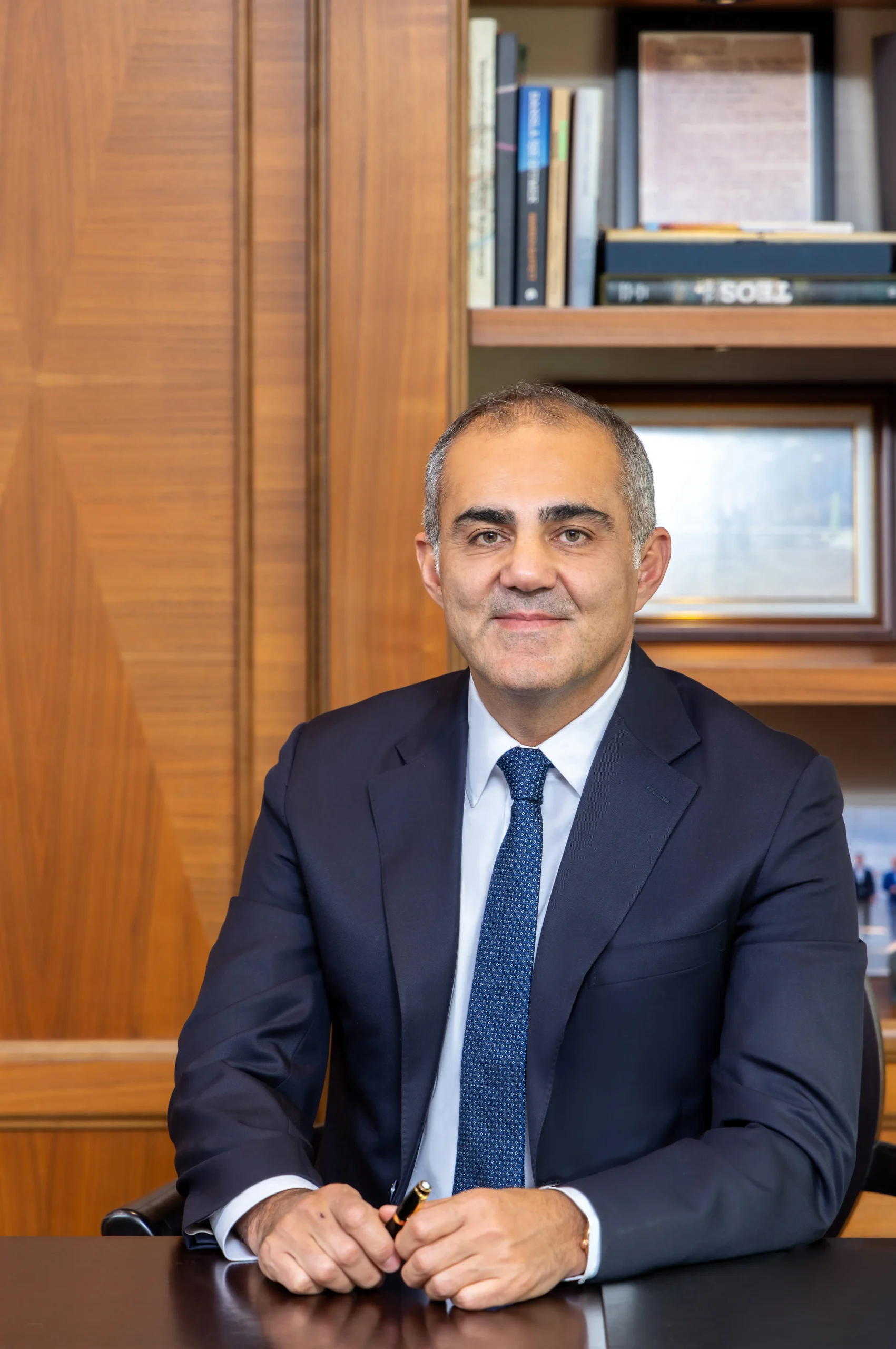
İlker Öksüz, a member of the Executive Board at IC İçtaş Construction, announced that the company, together with its local partner RTCC, intends to evaluate new opportunities as well.
Öksüz stated that they submitted a bid for the pre-qualification phase of the Neom Airport construction tender, noting that this tender is also expected to be in the billions of dollars and that plans are in place to expand the airport’s capacity to 20 million passengers through upcoming tenders.
At least three Turkish companies submitted bids for Neom
It is claimed that, along with IC İçtaş, two other Turkish companies submitted bids for the pre-qualification phase of the Neom Airport project.
Annual $10 billion opportunity for Turkish companies from the $1 trillion Neom project
Öksüz emphasized that Turkish companies could secure at least $10 billion annually from the $1 trillion Neom project, adding that his company would also submit a bid for the ski resort tender in Neom, which will serve the 2029 Winter Olympics.
Noting that IC İçtaş’s experience in airport construction in Turkey and other countries has positioned the company as a key player in Saudi Arabia, Öksüz said, “Thanks to our experience with the Riyadh Airport project, we’ve become a company that even Italian and Spanish firms are now vying to work with.”
Öksüz also shared the group’s interesting entry story into the Saudi market, explaining that when they first entered the King Khalid Airport renovation tender, they finished second behind a German company, but after the German company—which had won the bid with a lower offer alongside its Indian partner—failed to carry out the work, they received an invitation from local authorities to take over the project and thus began the airport renovation.
“We’re also bidding for airport operations”
Explaining the background of Saudi Arabia’s airport push, Öksüz said, “Kuwait is set to open a new airport soon. Qatar has also made significant investments. Dubai is building its sixth terminal. Saudi Arabia is investing to establish a presence in this sector and become a regional hub. We also want to enter the airport operations sector. We are candidates for the Riyadh or Jeddah airports. Abha Airport is currently in the privatization phase. Since it is a relatively small airport, we did not bid on it. “The privatization of new airports will take place over a five-year period,” he said.
Noting that they are not currently involved in any energy projects as operators worldwide but will take on the operation of two projects abroad in the green energy sector, Öksüz stated, “We have acquired two companies in the renewable energy sector in Italy. We will operate them. In Azerbaijan, there is also a salt distillation project in partnership with ACWA. It is a $400 million project. As we undertake global projects, we are receiving invitations from many countries. We’re even receiving invitations from many countries, ranging from Ireland to El Salvador,” he said.
The Vision 2030 plan announced by the Saudi Arabian government aims to transform the country socially, culturally, and economically and turn it into a regional hub. In line with the plan, numerous projects are being implemented in 12 cities across Saudi Arabia to improve quality of life and accelerate economic development.
They plan to complete the Wadi Laban Bridge in 36 months
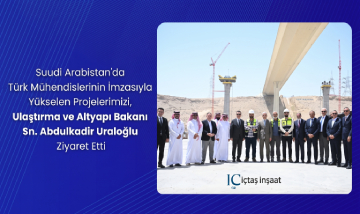
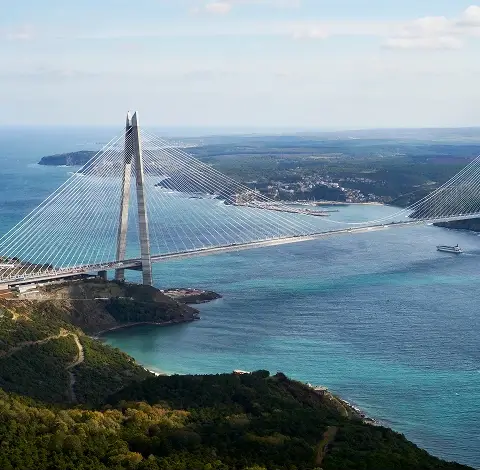
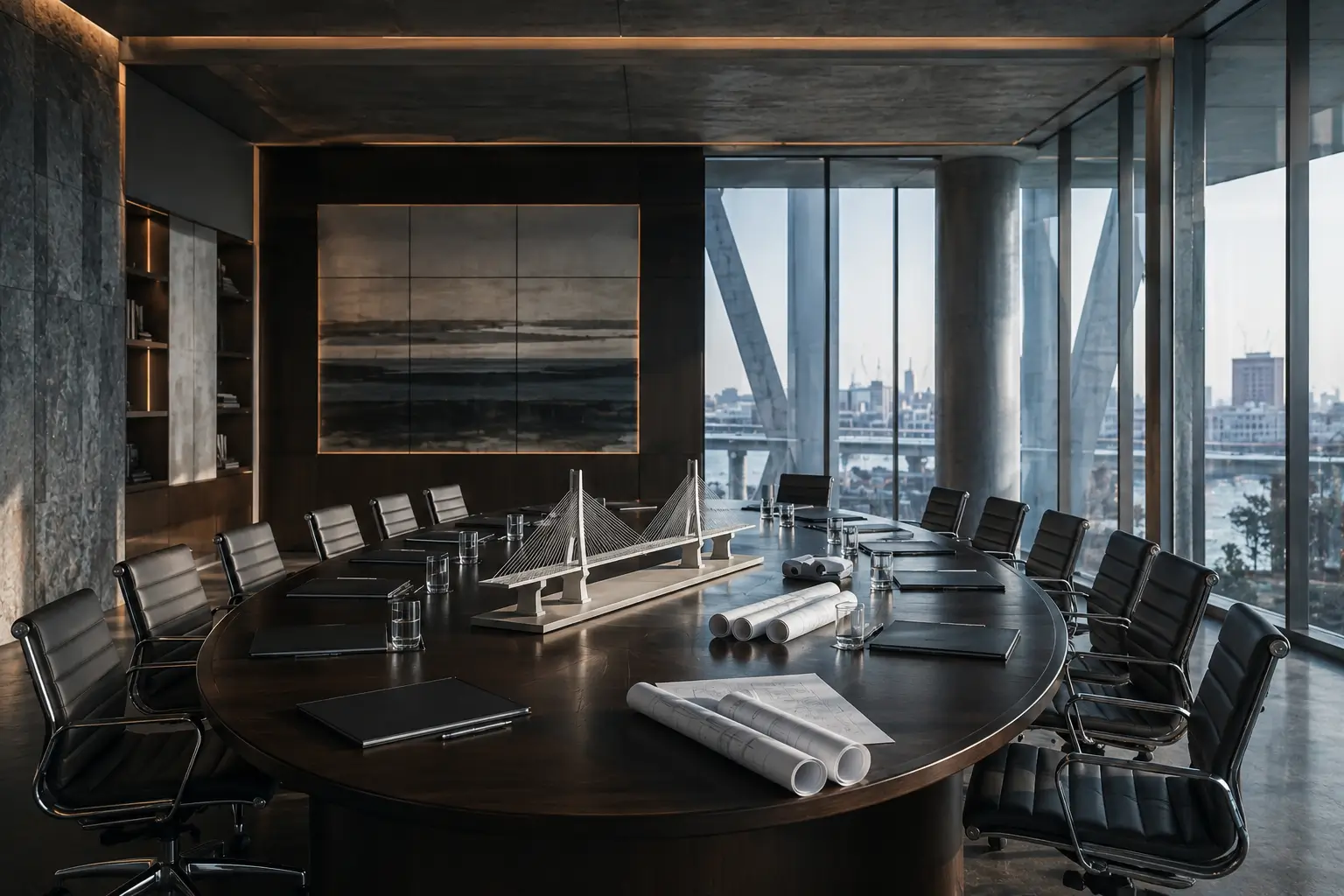
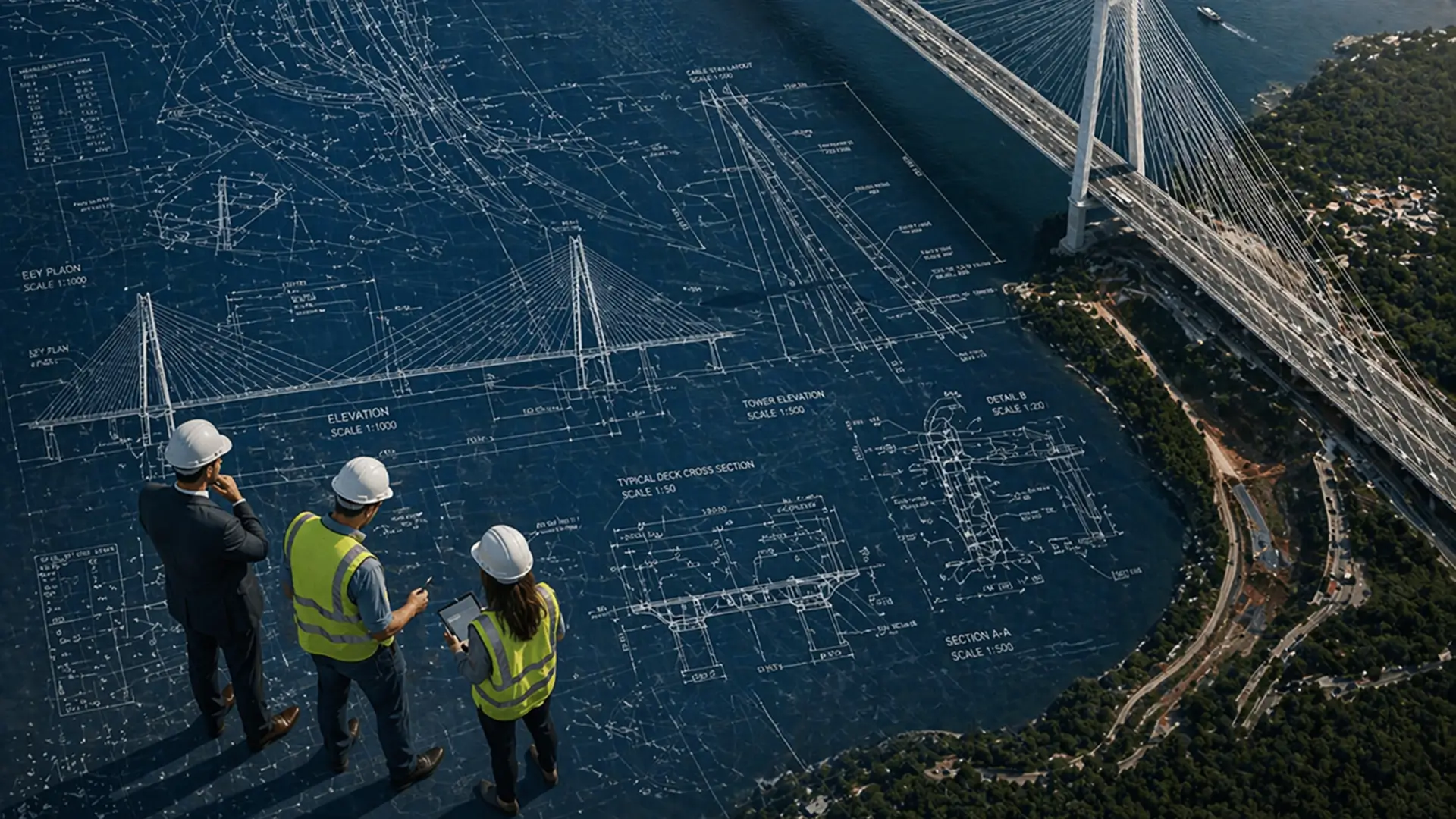
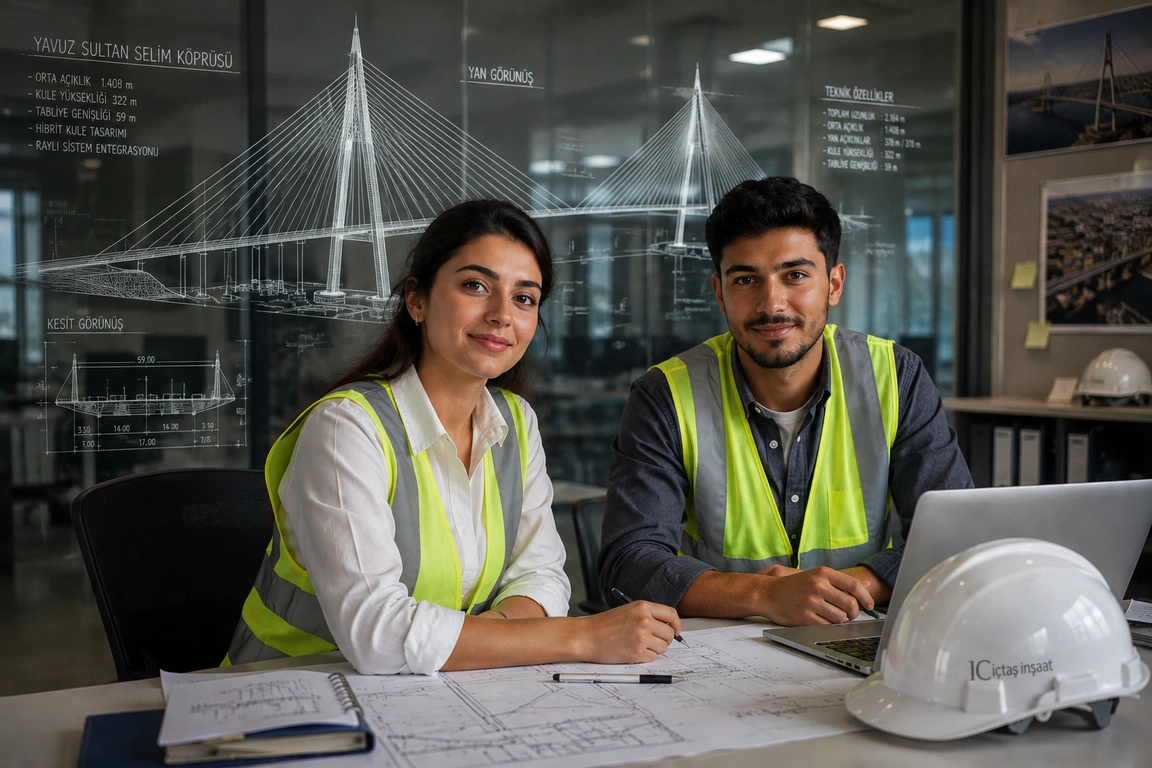
One of these is the Wadi Laban Bridge. Once completed, it will be the tallest bridge in the country. Two new bridges and connecting roads, requiring advanced technology and engineering, will be built alongside the existing Wadi Laban Bridge, which was constructed 30 years ago. The cable-stayed bridge project—each span 763 meters long, 167 meters high, and 36 meters wide—is estimated to cost $500 million to build. IC İçtaş, the contractor awarded the project, aims to complete the Wadi Laban Bridge and put it into service in as little as 36 months. The project includes the construction of two bridges and a total of 14,124 meters of access roads, viaducts, and ramps.
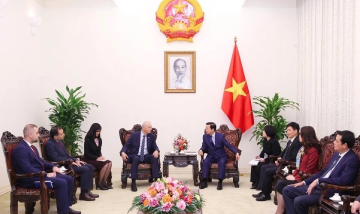
Öksüz also provided information on other international construction projects, noting that the Long Thanh International Airport in Vietnam—undertaken by the VIETUR Consortium led by IC İçtaş Construction—required a total investment of 14.9 billion dollars and is planned to serve more than 100 million passengers annually once it opens, with completion projected for December 5, 2026.