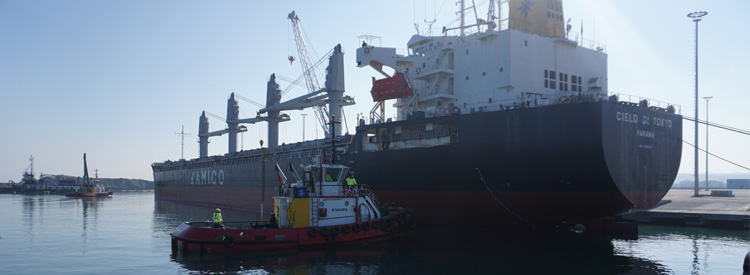







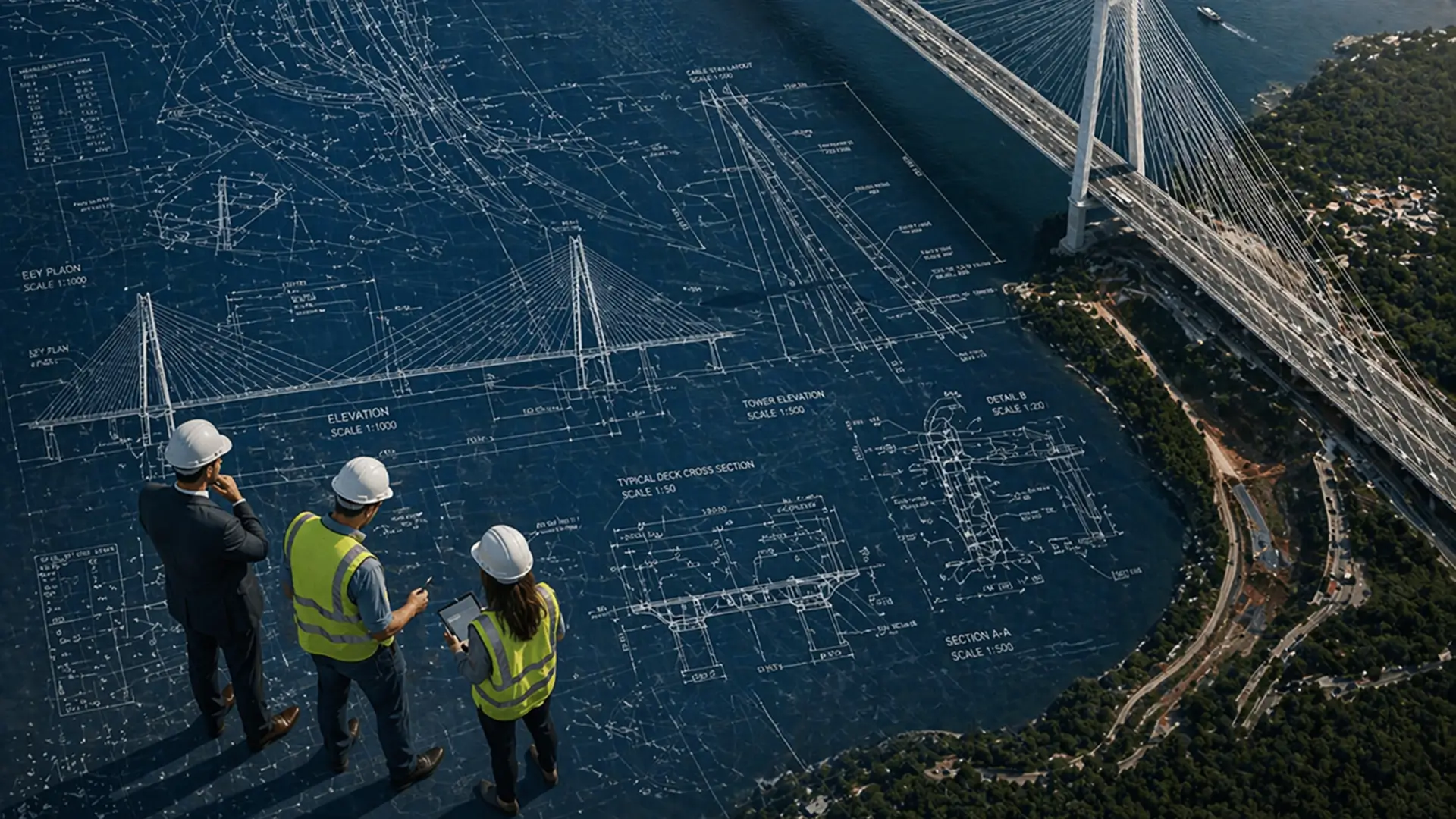
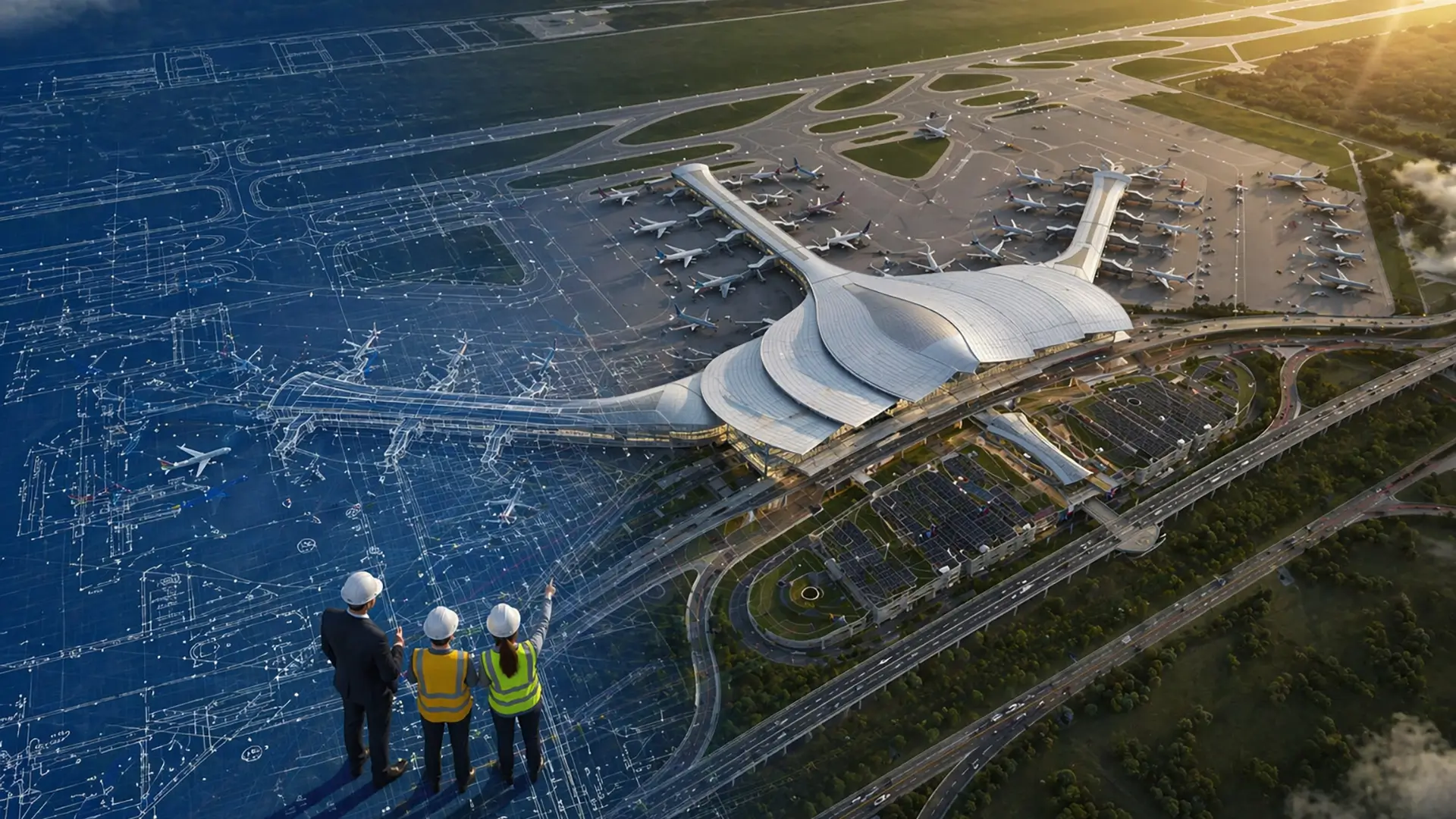











The first phase of the IC Karasu Port, constructed by IC İçtaş Construction with an investment of $76 million, has been completed and opened for service. It has an annual cargo capacity of 1.8 million metric tons of general cargo and bulk cargo, as well as a container capacity of 65,000 TEU (including Ro-Ro).
IC Karasu Port, the Black Sea port for Istanbul and the Marmara Region, was officially opened with a ceremony held on Thursday, March 16. Given its proximity to the Marmara Region—one of the flagships of the Turkish economy—the IC Karasu Port will significantly contribute to trade between Turkey and countries along the Black Sea coast. The port will also serve as an important alternative for Sakarya’s exports and imports.
Murat Soğancıoğlu, Chairman of IC İçtaş Infrastructure Group, noted that IC Karasu Port, with its extensive hinterland, capacity, and multimodal transportation advantages, is positioned as a leading port connecting the Black Sea to the world. “Our country’s growing trade and production were also increasing the need for new ports. As of the end of 2015, approximately 87.7% of Turkey’s trade was conducted via sea routes and ports. At this point, we are delighted to have completed and opened the Karasu Port. Istanbul and the Marmara Region now have a port on the Black Sea,” he said.
Noting that the completed first phase of Karasu Port has an annual cargo capacity of 1.8 million metric tons of general cargo and bulk cargo, as well as 65,000 TEU of container capacity (including Ro-Ro), Soğancıoğlu continued: “We plan to reach 100% utilization of this capacity within the first three years. Once the rail connection is established, we will implement our second-phase investment to achieve even higher capacity. With the second phase, our goal is to create a capacity of 5 million metric tons for general cargo and bulk cargo, 150,000 metric tons for container cargo, and 110,000 units for Ro-Ro services, including trucks, cars, and other vehicles.”
A $76 Million Investment
Noting that the Karasu Port was built with a $76 million investment without a government guarantee, Soğancıoğlu said, “We provided employment for 400 people during the construction period and revitalized the region’s construction sector. Once operations begin, we will provide employment for approximately 500 more people, both directly and indirectly,” he said.
IC Karasu Port by the Numbers
The completed first phase of IC Karasu Port—which will serve general cargo, containers, Ro-Ro, Ro-Pax, and rail ferry cargo, has a capacity of 1.8 million metric tons of general cargo/bulk cargo and 65,000 TEU of container cargo (including Ro-Ro) per year.
In the second phase of the port, which will be completed with the establishment of a rail connection, the capacity is projected to reach 5 million metric tons for general cargo and bulk cargo, 150,000 metric tons for container cargo, and a capacity of 110,000 units for Ro-Ro services, including trucks, cars, and other vehicles.
Upon completion of the second phase, the port—spanning a total area of 621,000 m²—will serve ships of up to 30,000 DWT with a 1,600-meter main breakwater, a 625-meter secondary breakwater, a draft of -11 meters, and a total of 1,100 meters of quay, and will serve ships of up to 30,000 DWT.
Serving Both Düzce and Muğla
The IC Karasu Port is significant for the industrial zones in Sakarya, Kocaeli, Istanbul, Düzce, Bolu, and Zonguldak, as well as for Karabük, Çankırı, Bilecik, Eskişehir, and Ankara, Kırıkkale, and Yozgat, as well as—specifically for fruit and vegetable exports—the provinces of Antalya, Manisa, Muğla, and Çanakkale.
www.karasuport.com.tr